Invited by the European Commission to discuss the Digital Fairness Act With EU Commissioner Michael McGrath

I took part in a European Commission Youth Policy Dialogue in Ljubljana and sat down with EU Commissioner Michael McGrath to talk about the Digital Fairness Act, the EU's upcoming push to clean up how online services treat people. What stuck with me was that the conversation about the rules happened with the people they're meant to protect.

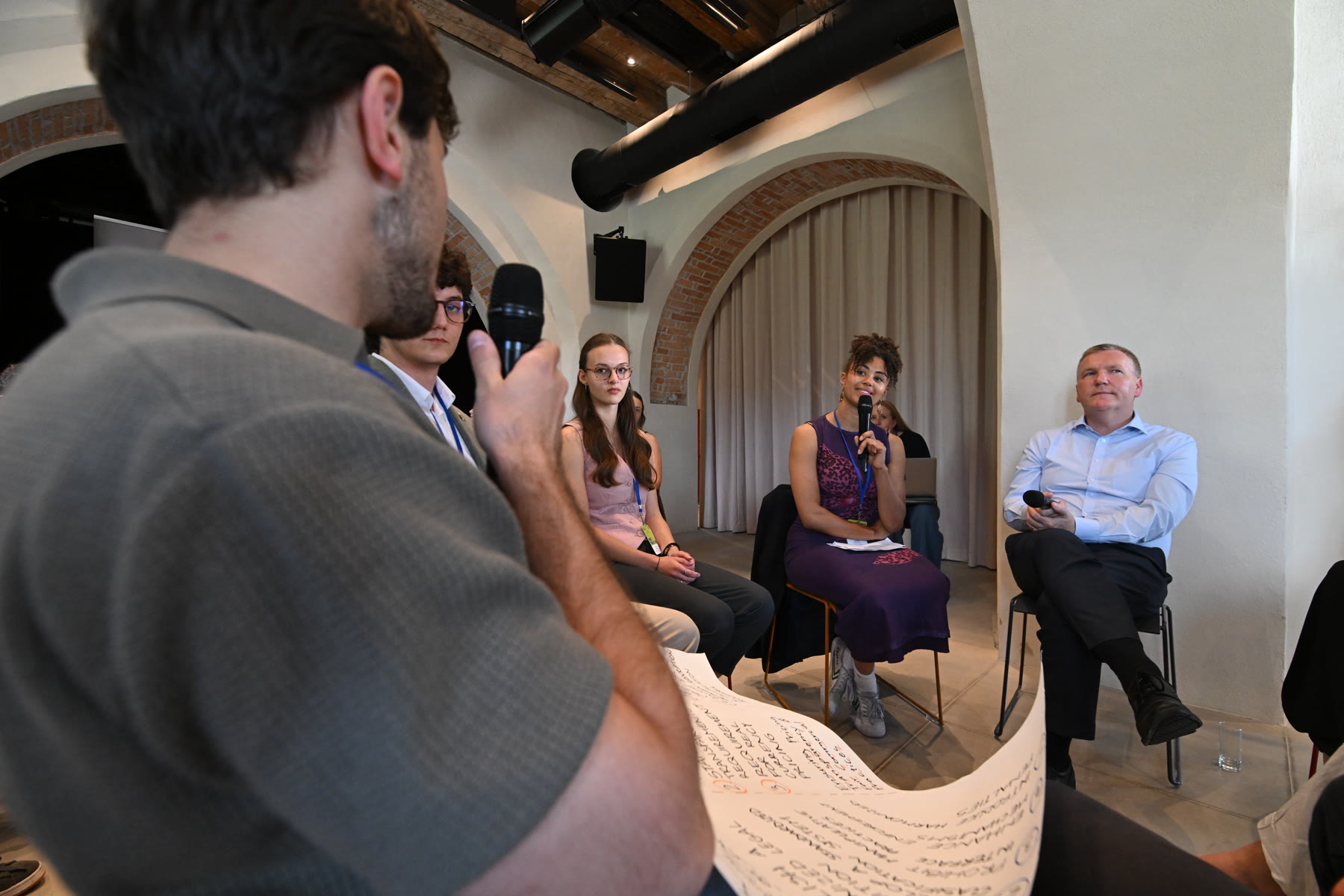
What We Worked On
Instead of abstract talking points, we mapped out concrete asks across pricing, marketing practices, and digital contracts. A few themes kept coming up. Ban deceptive practices and dark patterns. Set standardised requirements so people actually understand what they're agreeing to. And price things in real currency instead of the in-app token systems built to hide how much you're really spending.

Why It Matters
So much of the modern web is built to nudge and pressure you into things: manipulative defaults, fake urgency, subscriptions that take one click to start and a support ticket to cancel. I build software, so I think a lot about where the line sits between good design and design that just exploits people. Getting to argue that line with the person actually shaping the legislation is not something I expected to be doing this year.

Final Thoughts
I left convinced that youth input on digital policy is incredibly important. The people who grew up inside these systems tend to spot the manipulation fastest. Thanks to the European Commission and Commissioner Michael McGrath for actually listening.
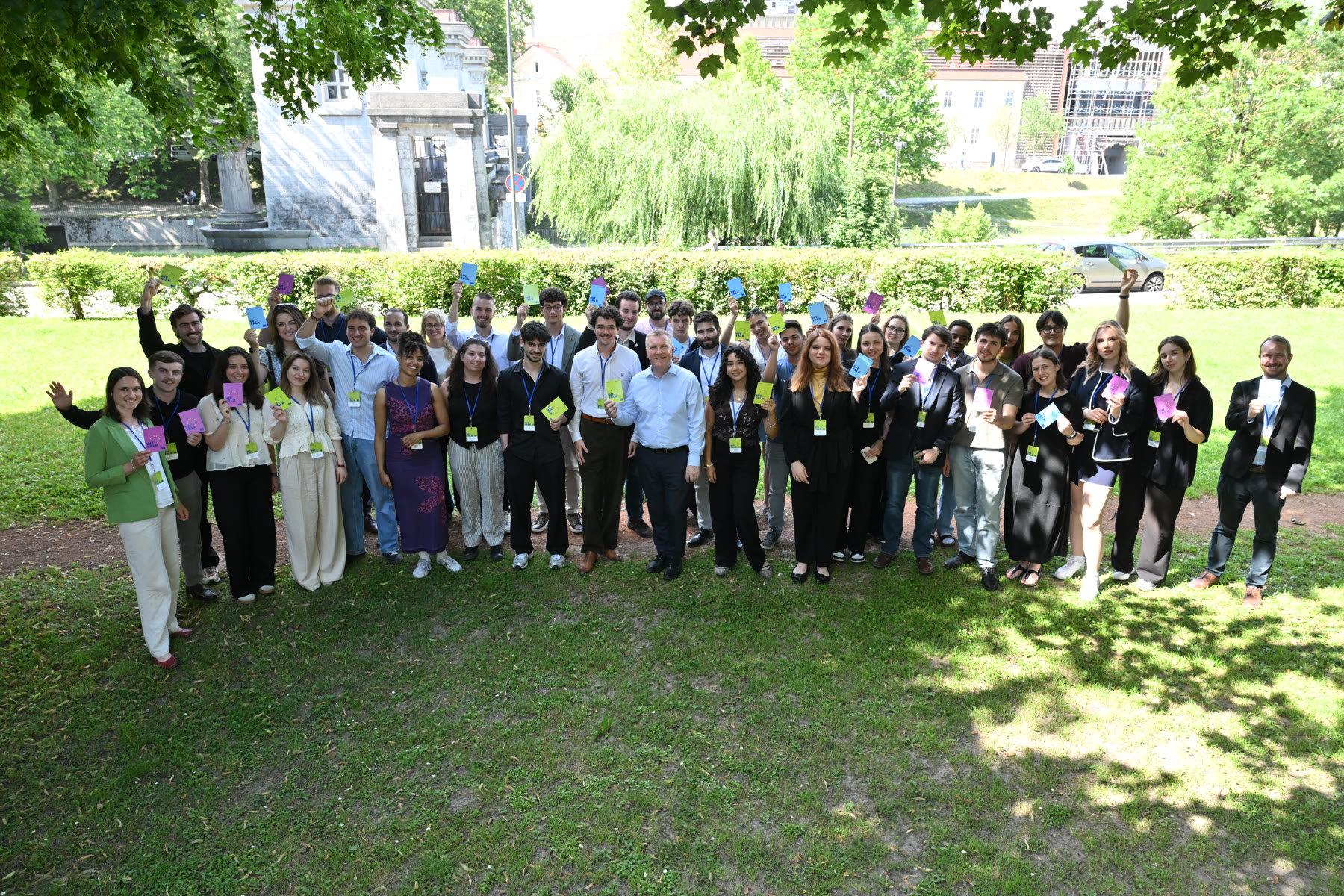
Youth Policy Dialogue: Digital Fairness Act · Ljubljana, Slovenia
With European Commissioner Michael McGrath · European Commission